
Latest Pollutant Summary

The air pollutants for are Low (1). This information is based on NO2 (µg/m³) with a level of 10.14.
Please click on the tabs above for a breakdown of this sites latest readings or click on the generate graph tab for more detailed information.
This site does not monitor particulate matter.
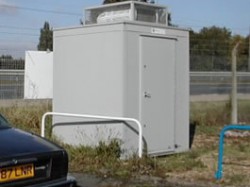
Station Information -
The monitoring station is within a self-contained, air-conditioned housing located north west of the Sandy centre on the A1, London Road withing the grounds of a car dealership. The surrounding area is residential to the east of the A1 and rural to the west of the A1.
WHEN WE BREATHE WE TAKE IN MORE THAN JUST AIR
On some days, there may be elevated levels of air pollution, specifically ozone and particulate matter, which change the outdoor air quality
_____________________________________________________________________________
INFORMATION ON THE EFFECTS OF POLLUTION
 The Daily Air Quality Index (DAQI) has been developed to provide advice on expected levels of air pollution. In addition, information on the short-term effects on health that might be expected to occur at the different bands of the index (Low, Moderate, High, Very High) is provided. Our aim is to educate and inform, however if you are concerned DEFRA provide a free automated telephone service on 0800 556677.
SHORT-TERM HEALTH EFFECTS
It is possible that very sensitive individuals may experience health effects even on low air pollution days. However, air pollution in the UK does not rise to levels at which most people need to make major changes to their habits to avoid exposure; you needn’t fear going outdoors, especially when armed with information about cause and affect.
ADULTS AND CHILDREN WITH LUNG OR HEART CONDITIONS
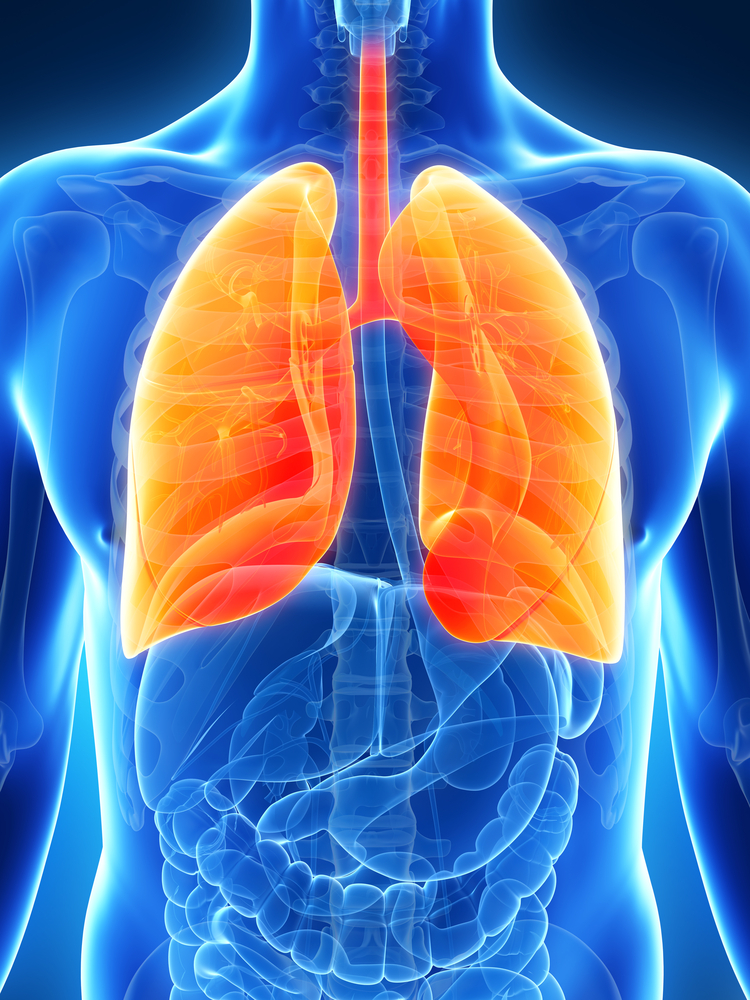
It is known that, when levels of air pollutants rise, adults suffering from heart conditions, and adults and children with lung conditions, are at increased risk of becoming ill and needing treatment. Only a minority of those who suffer from these conditions are likely to be affected and it is not possible to predict in advance who will be.
Some people are aware that air pollution affects their health: adults and children with asthma may notice that they need to increase their use of inhaled reliever medication on days when levels of air pollution are higher than average. Older people are more likely to suffer from heart and lung conditions than young people and so it makes good sense for them to be aware of current air pollution conditions.
At very high levels of air pollution, some people may experience a sore or dry throat, sore eyes or, in some cases, a tickly cough even in healthy individuals. Children need not be kept from school or prevented from taking part in games.
ACTION THAT CAN BE TAKEN
When levels of air pollution increase it would be sensible for those who have noticed that they are affected to limit their exposure to air pollutants. This does not mean staying indoors, but reducing levels of exercise outdoors would be reasonable.
- Older people and those with heart and lung conditions might avoid exertion on high pollution days.
- Adults and children with asthma should check that they are taking their medication as advised by their health practitioner and may notice that they need to increase their use of inhaled reliever.
- Adults with heart and circulatory conditions should not modify their treatment schedules on the basis of advice provided by the air quality index: such modification should only be made on a health practitioner’s advice.
- Some athletes, even if they are not asthmatic, may notice that they find their performance lower than expected when levels of ground level ozone are high, They may notice that they find deep breathing causes some discomfort in the chest: Normally expected in summer on days when ground level ozone levels are raised. This does not mean that they are in danger but it’s sensible for them to limit their activities on such days.
Pollution is caused from natural or man-made actions. There are many types of pollutants produced from a variety of sources. Pollutants are classified as primary or secondary:
Primary Pollutants These are gases or particles that are blown into the air. Historically, the main air pollution problem has typically been high levels of smoke and sulphur dioxide emitted following the combustion of sulphur-containing fossil fuels such as coal, used for domestic and industrial purposes. These days, the pollutant of most particular concern is is carbon monoxide that comes from motor vehicle traffic.
- Sulphur dioxide
- Nitrogen oxides – Road transport is the main source, followed by the electricity supply industry
- Particular matter (PM10, PM2.5 and PM1) – In the UK the biggest human-made sources are stationary fuel combustion and transport.
- Toxic Organic Micro-Pollutants (TOMPS) –
- Benzene – Domestic and industrial combustion and road transport.
- 1,3-Butadiene – Combustion of petrol and other processes such as production of synthetic rubber for tyres.
- Carbon monoxide – Road transport, residential and industrial
- Lead and heavy metals – Smelters and the combustion of coal or iron and steel combustion
Secondary Pollutants These are just as harmful as primary pollutions and are not emitted directly; they form in the atmosphere when primary pollutants join together in a chemical reaction:
- Ozone – Arises from chemical reactions between various air pollutants, primarily NOX and VOCs, initiated by strong sunlight.
- Smog – Industrial and car emissions can react with sunlight
- CFC gas (Chlorofluorocarbon) – Commonly found in cleaning products or refrigerators. They dissolve into the atmosphere causing damage to the ozone.
- Landfills – improper containment can produce water contamination. Gas can be generated if not properly handle, methane, ammonia and carbon dioxide to name but a few
- Acid Rain – Caused by nitric and sulphuric acids and created by burning fossil fuels, it changes the pH of the rain or snow.
Please click on The effects of air pollution page to understand the effects the pollutants have to our health and the environment.

